No products in the cart.

Did you know that honeybees must visit nearly 2 million flowers to produce a single pound of honey? These small but mighty creatures are responsible for pollinating more than 75% of the fruits, vegetables, and flowers we rely on. From local wildflowers to Sonoma County apple orchards, bees ensure biodiversity and abundance in our ecosystems.
At Beekind in Sebastopol, California, we’re more than a shop. We’re educators, advocates, and passionate caretakers of the pollinators that make life sweeter.
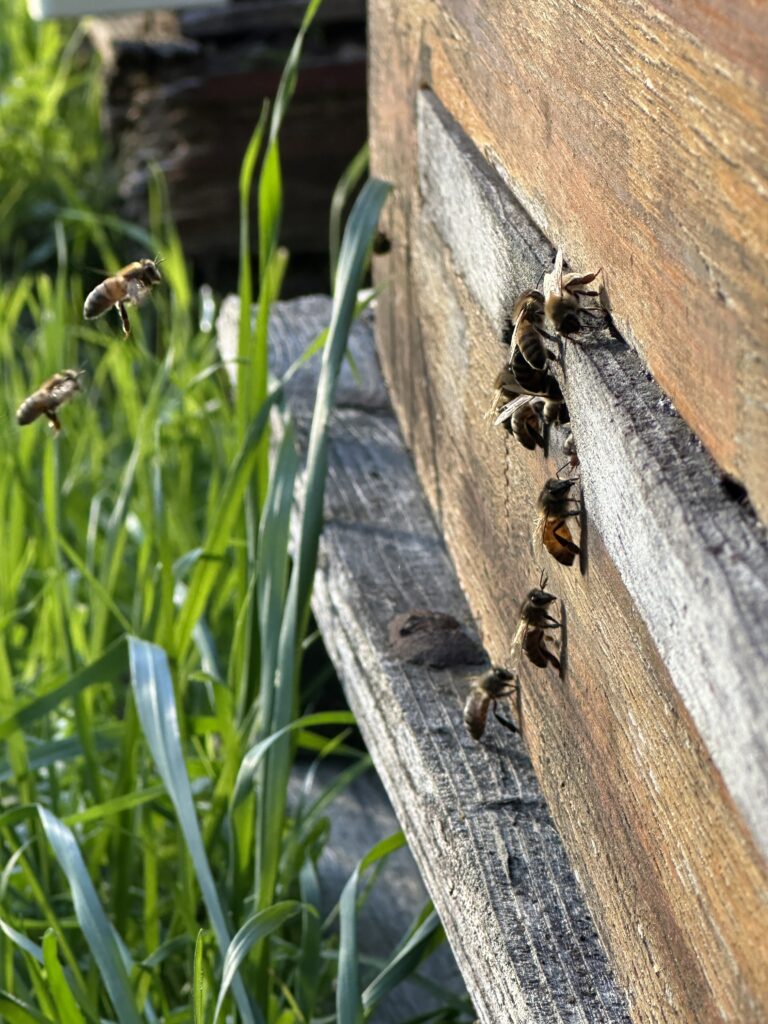
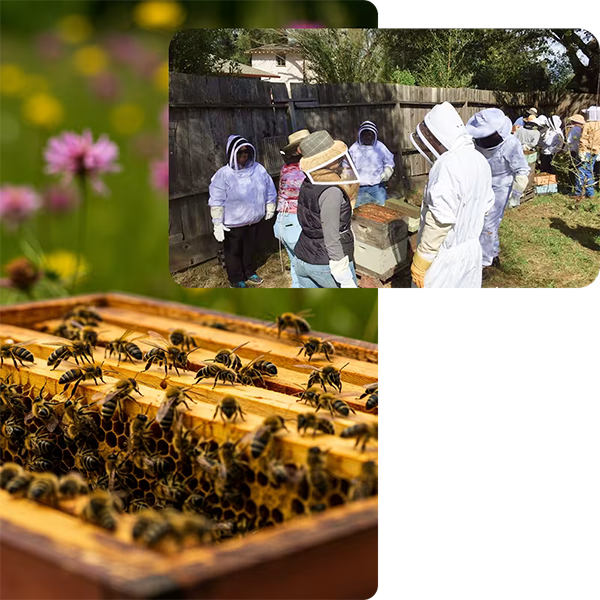
Honeybees return to hive behind Beekind's store in Sebastopol (above)
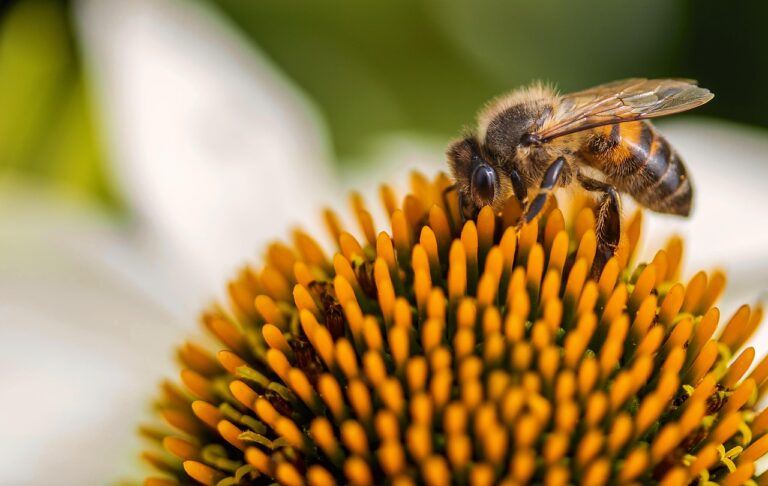
Best Flowers for Pollinators (and Why Local Blooms Matter)
Not all flowers are created equal when it comes to feeding bees. The best way to support pollinators at home is to plant a pesticide-free, seasonal variety of nectar and pollen-rich blooms—especially native plants, which offer the ideal habitat for local bee species.
Top Picks by Season:
Spring: California poppy, lupine, clarkia, wild lilac (ceanothus), manzanita
Summer: Yarrow, penstemon, California buckwheat, monkeyflower, sage
Fall: Aster (native species), goldenrod, sage, native milkweed, sedum (dudleya)
When you plant for pollinators, you're also creating a haven for butterflies, native bees, and beneficial insects. Even small backyard spaces can make a difference when you include a mix of wild and native flora.
Myth: All bees make honey.
Fact: Only honeybees make honey in harvestable quantities. Bumblebees, mason bees, and solitary native bees focus on pollination and nesting in natural spaces.
Myth: A single bee makes a jar of honey.
Fact: It takes the entire lifetime of 12 worker bees to make just one teaspoon of honey!
When we understand the true role of bees, we can appreciate and protect them better.

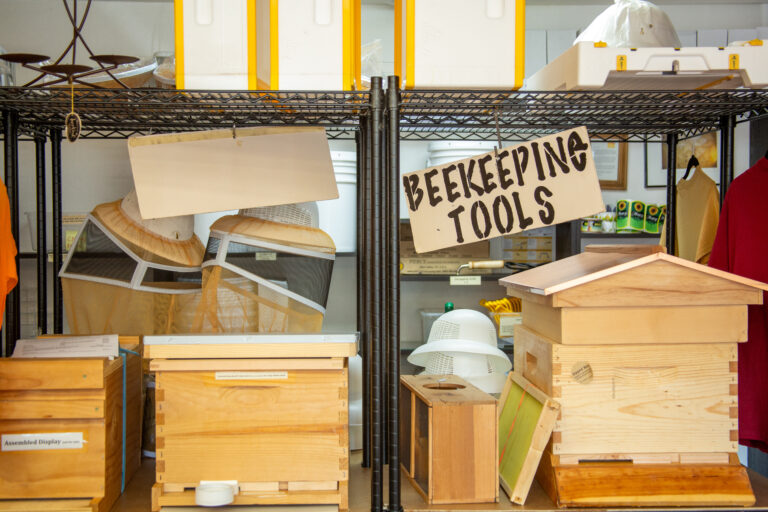
Beekeeping is a beautiful and rewarding way to support pollinators, connect with nature, and potentially even produce your own raw honey. But it also takes dedication, planning, and a bit of courage.
What You’ll Need to Get Started:
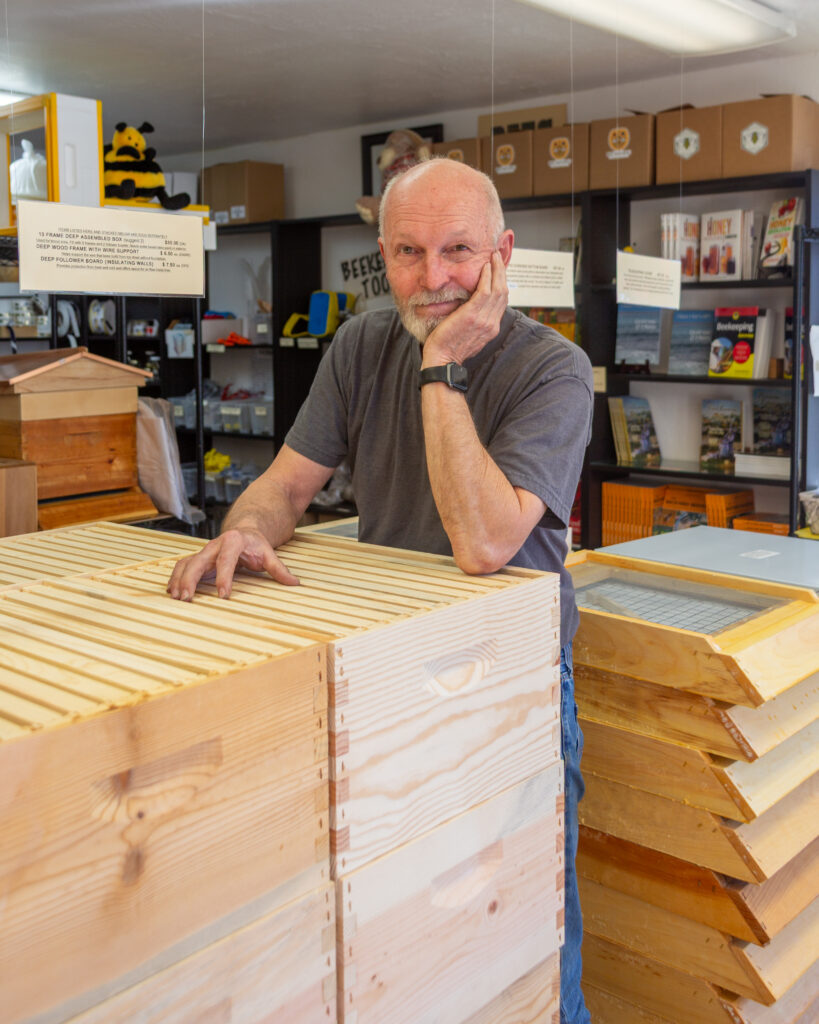
We recommend shadowing an experienced beekeeper or attending a local workshop. (Psst… Doug leads Beekind’s seasonal Beekeeping 101 courses. Watch the recorded lecture online or sign up for our Beekeeping email list to get notified when registration opens.
Also important: design your garden to share the space with native bees by planting wildflowers, leaving small patches of bare earth, and incorporating native shrubs and perennials.
Honey tastes different depending on the season and flower source. That’s part of the joy of trying local varietals!
Honey Flavor Profiles:
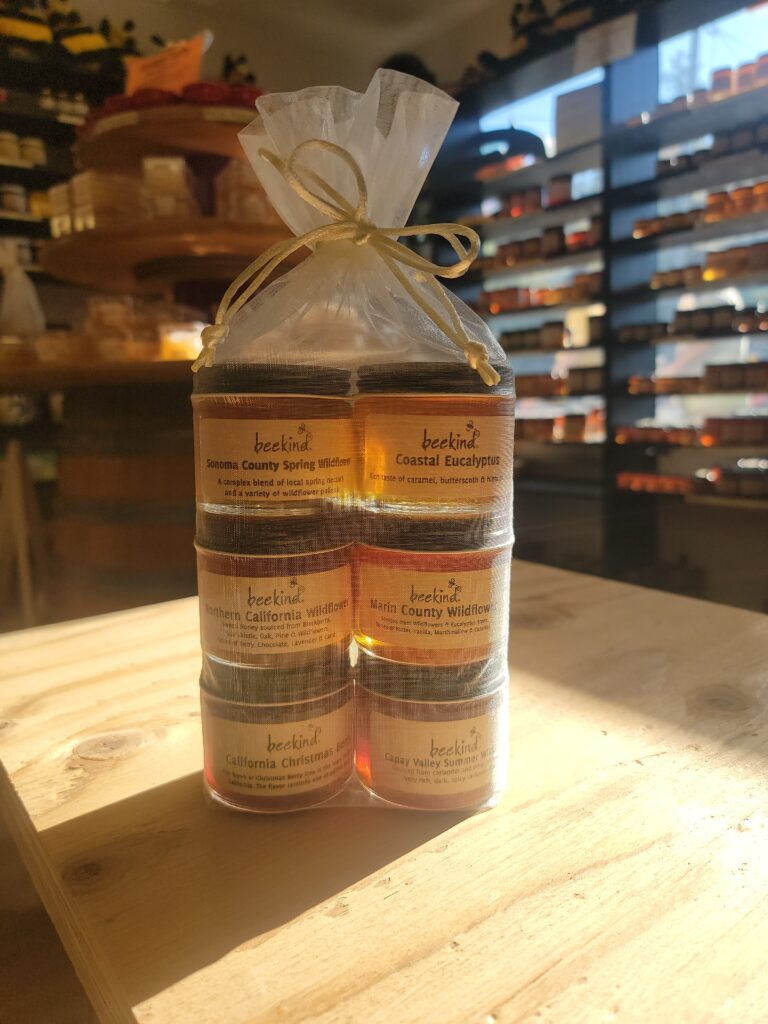
Our honey and honeycomb selection is partially visible behind these six local honeys, curated and ready to order online or pick up in-store to sample honey on your own time!
And that's just a taste of all that honey has to offer! Speaking of tastes, at Beekind we offer honey tastings and samplers so you can explore the full spectrum of flavor. Our raw honey is local, minimally processed, and deliciously unique.
When you diversify your plantings, you're helping create balance among pollinator populations and making space for species that don't live in hives.
A worker bee’s job changes as she ages:
Meanwhile, the queen lays up to 2,000 eggs per day, keeping the colony thriving.
Understanding the hive’s inner workings helps us appreciate the complexity and efficiency of bee societies.
Bees face serious threats:
Here’s what you can do:
Every pollinator matters, and when we create balanced gardens that support both native and managed bee species, we help keep the ecosystem thriving.
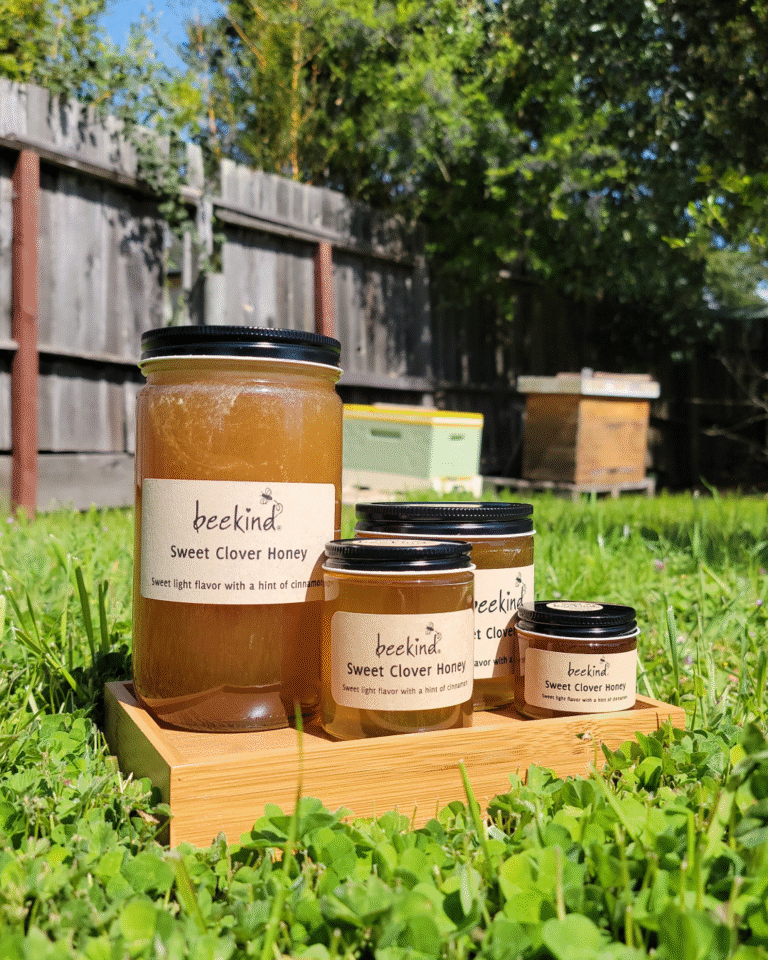
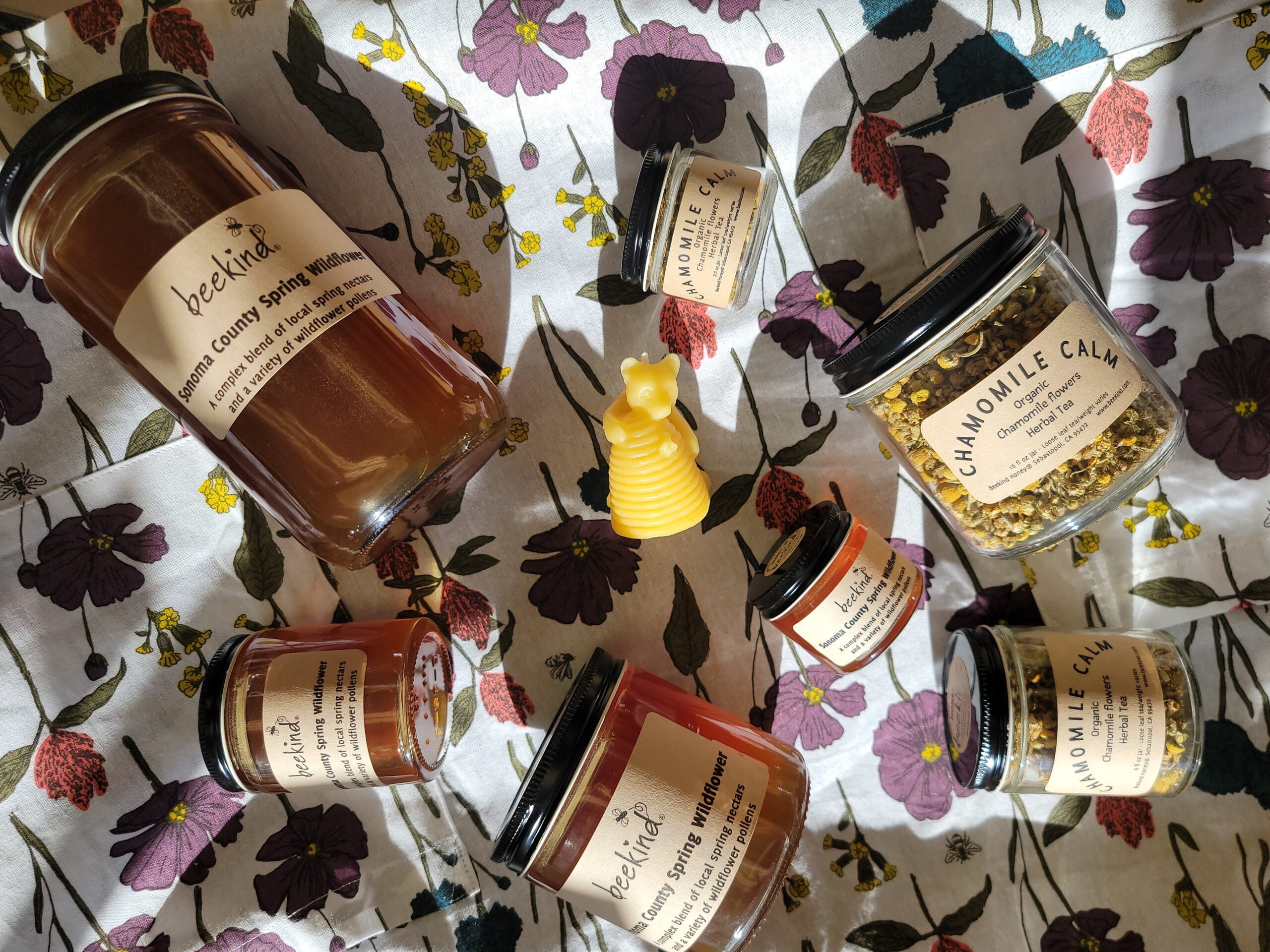
Beekind Bees and Pure Raw Honey, photographed in Sebastopol CA
Whether you’re just starting out with your first hive, planting flowers in your garden, or buying a jar of raw honey for the table, you’re part of the solution.
At Beekind in Sebastopol, we’re here to help you connect with the world of bees—one candle, one cup of tea, or one hive at a time.
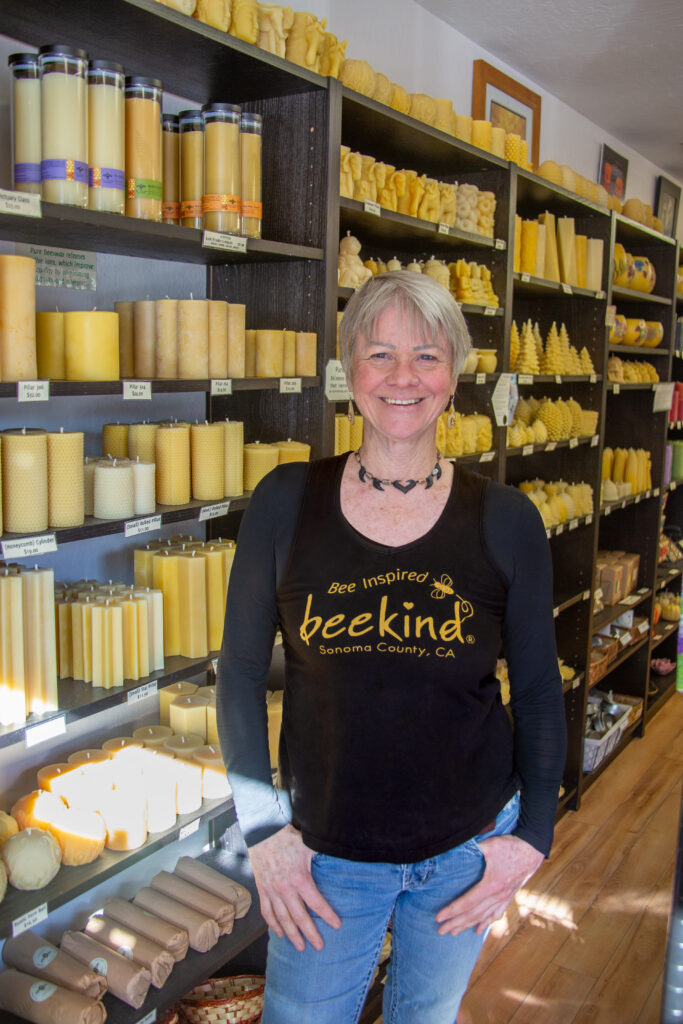
Visit us online or in store to explore beekeeping supplies, raw honey, beeswax candles, and seasonal gifts crafted for bee lovers in Northern California.
For over 20 years, Beekind® has been a Sonoma County staple for beekeepers, pollinator enthusiasts, and honey-lovers alike.
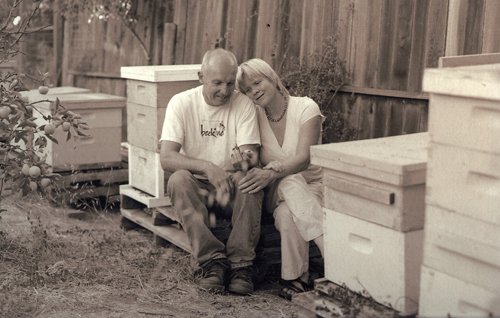
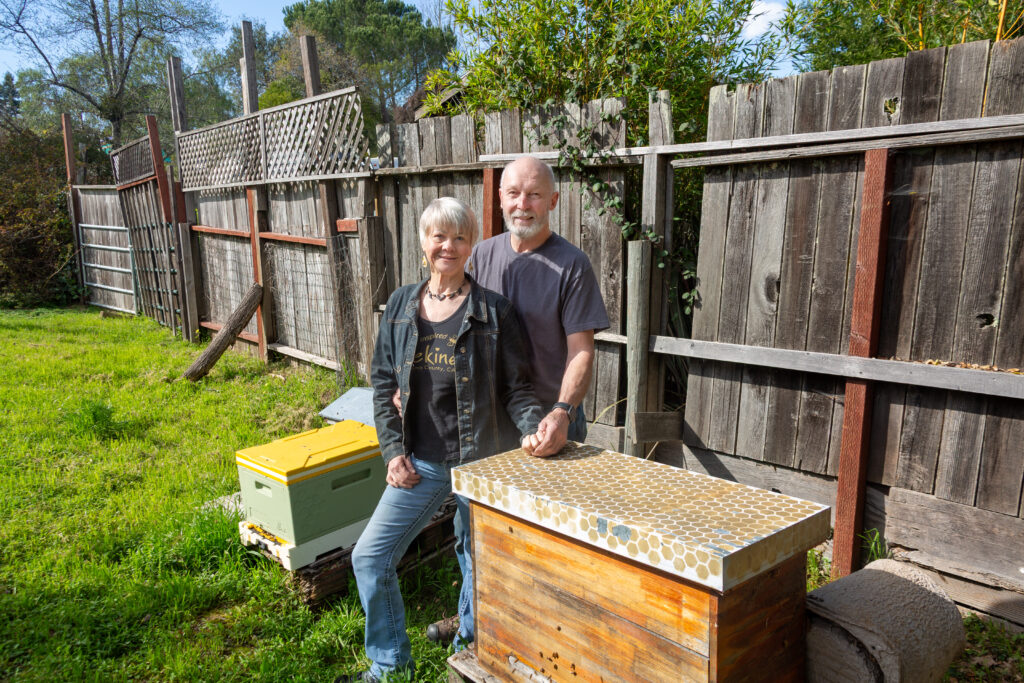
Founded and operated by Doug and Katia Vincent, Beekind® is a family-owned business that blends passion, purpose, and pollinator stewardship.
Together, they’ve cultivated a community hub dedicated to supporting both novice and experienced beekeepers, producing pure local honey, and celebrating the incredible gifts of the honeybee.